
OSHI 5 Point Inspection
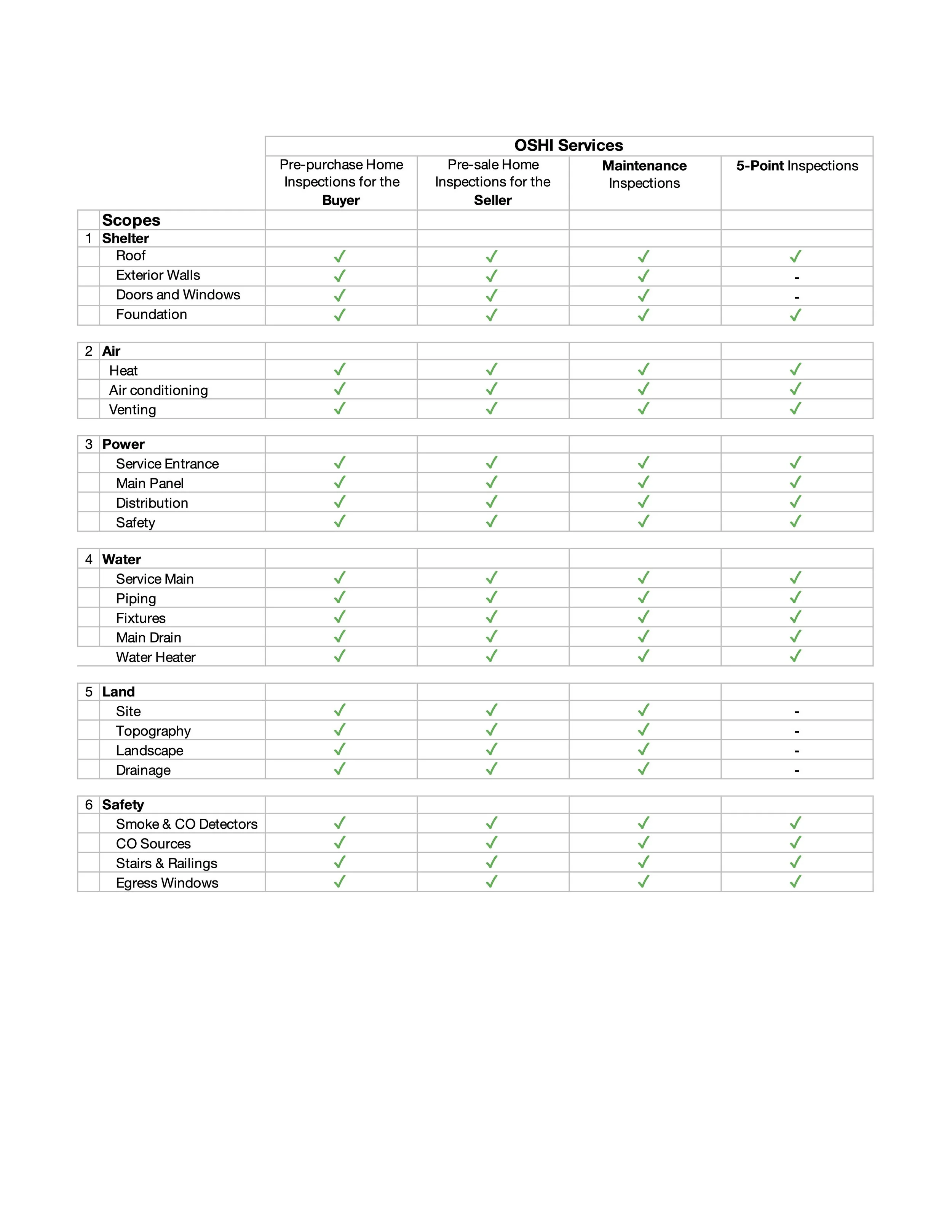
The difference between the standard “4 Point” inspection and OSHI’s 5 Point inspection is the 5th Scope: Safety.
By including safety, the 5 Point report includes important findings related to life safety which can also influence a buyers decision making.
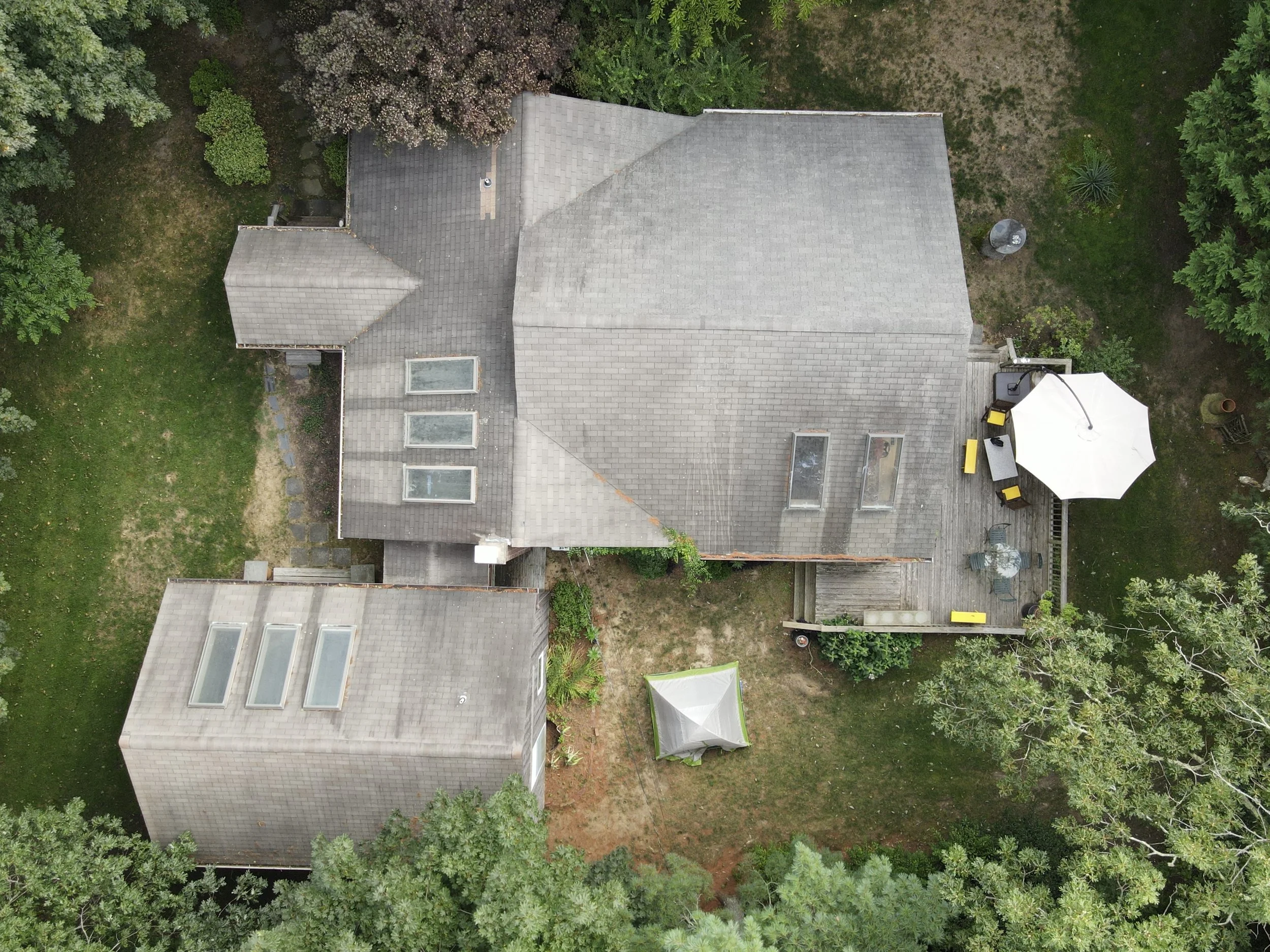
Shelter
ROOF
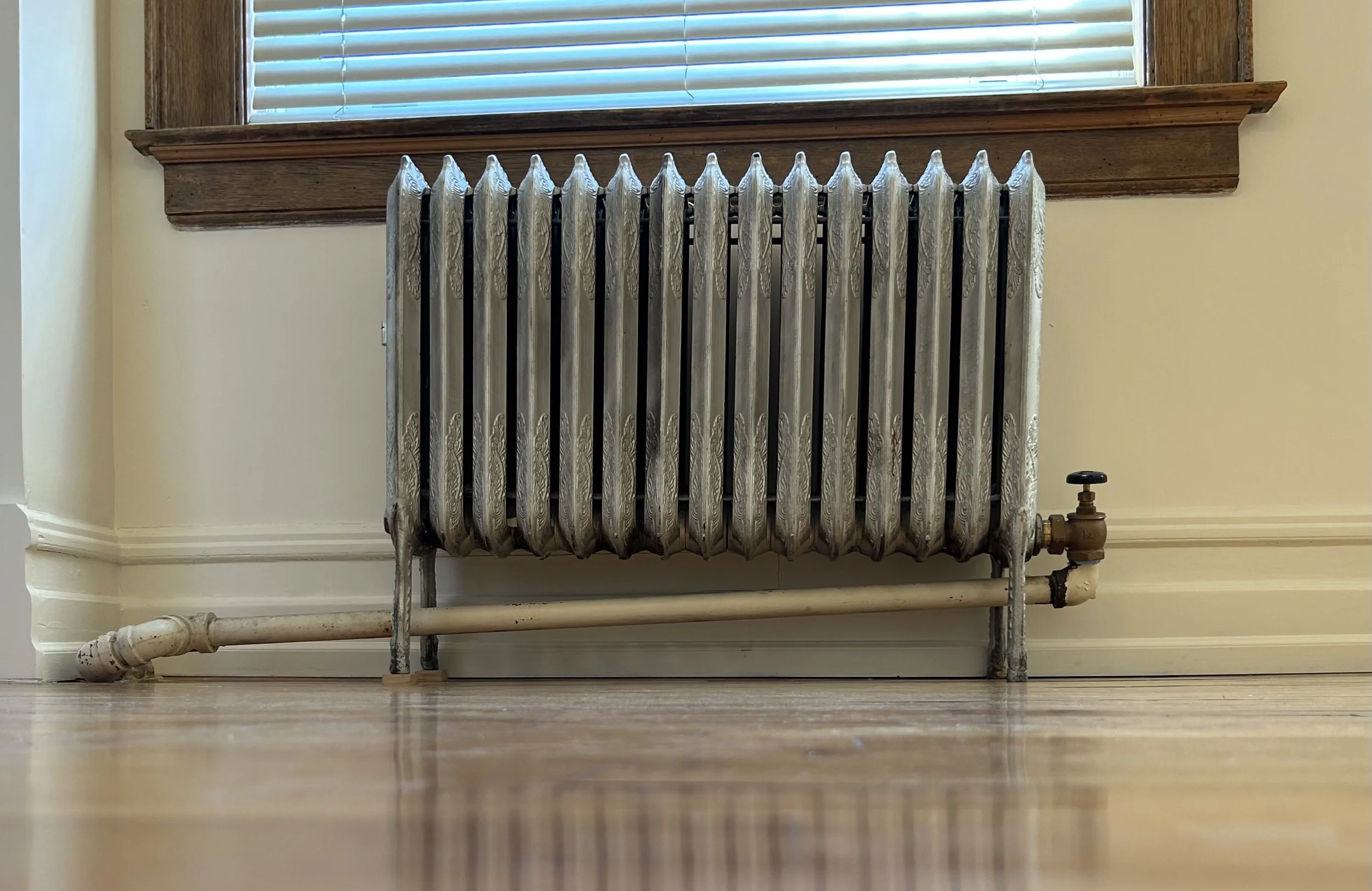
Air
HEAT
AIR CONDITIONING
Safety is an important component of a 5 point inspection. In addition to the safety features on a boiler, water heater and in and around a main electrical panel, there are other critical safety components in a home. These include stair, hand railings, smoke and CO detectors, sources of CO and sleeping area egress.
The P-trap uses its U-shaped dip to hold standing water, creating a liquid seal that blocks sewer gases from entering the home. In contrast, the S-trap shown here, is prone to siphoning, which pulls that water out and breaks the protective barrier. While the Air Admittance Valve (AAV) pictured helps prevent this siphoning, it is incorrectly venting air into the home’s interior rather than to the outdoors.
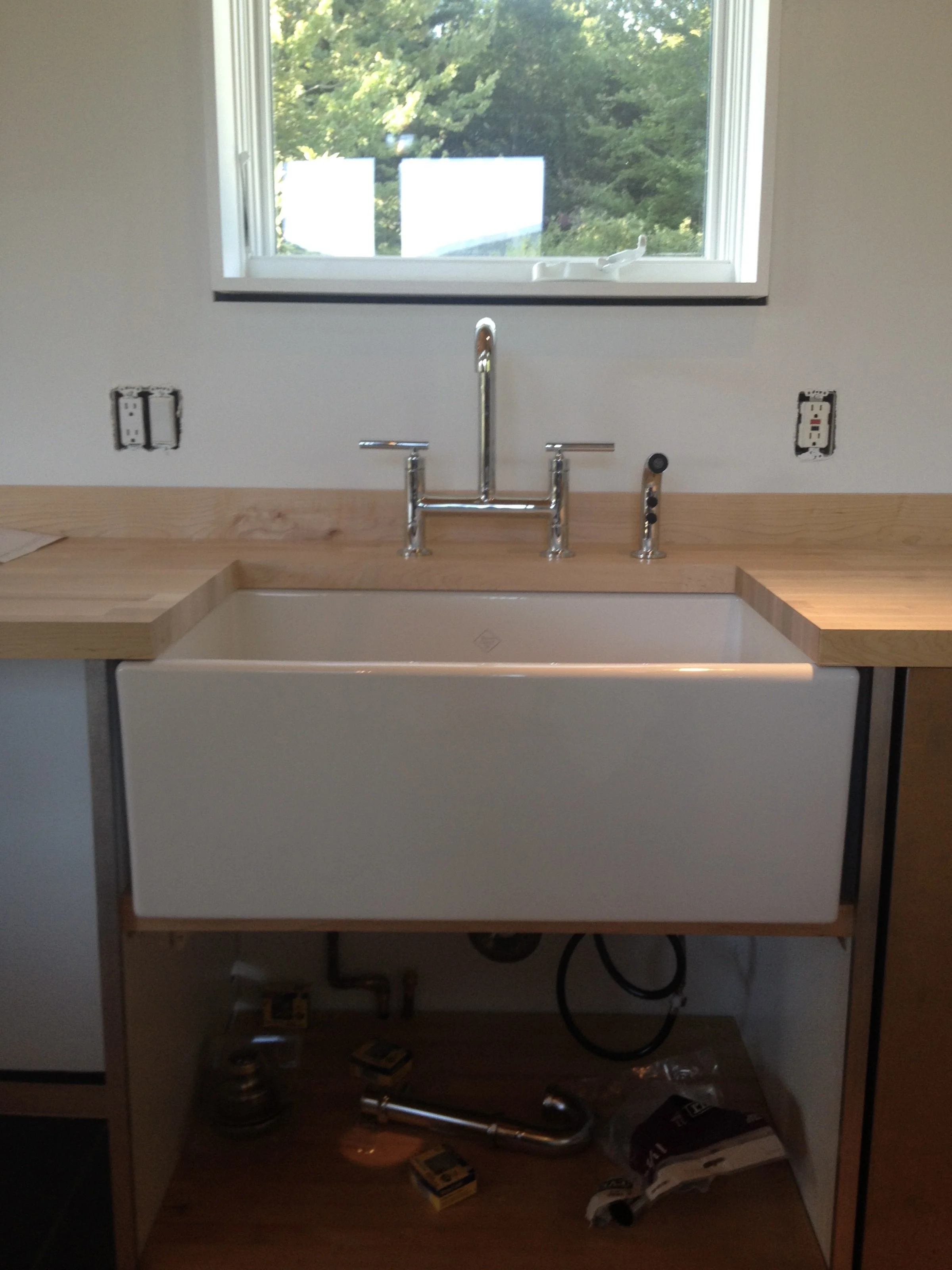
Water
SERVICE MAIN
PIPING
FIXTURES
MAIN DRAIN
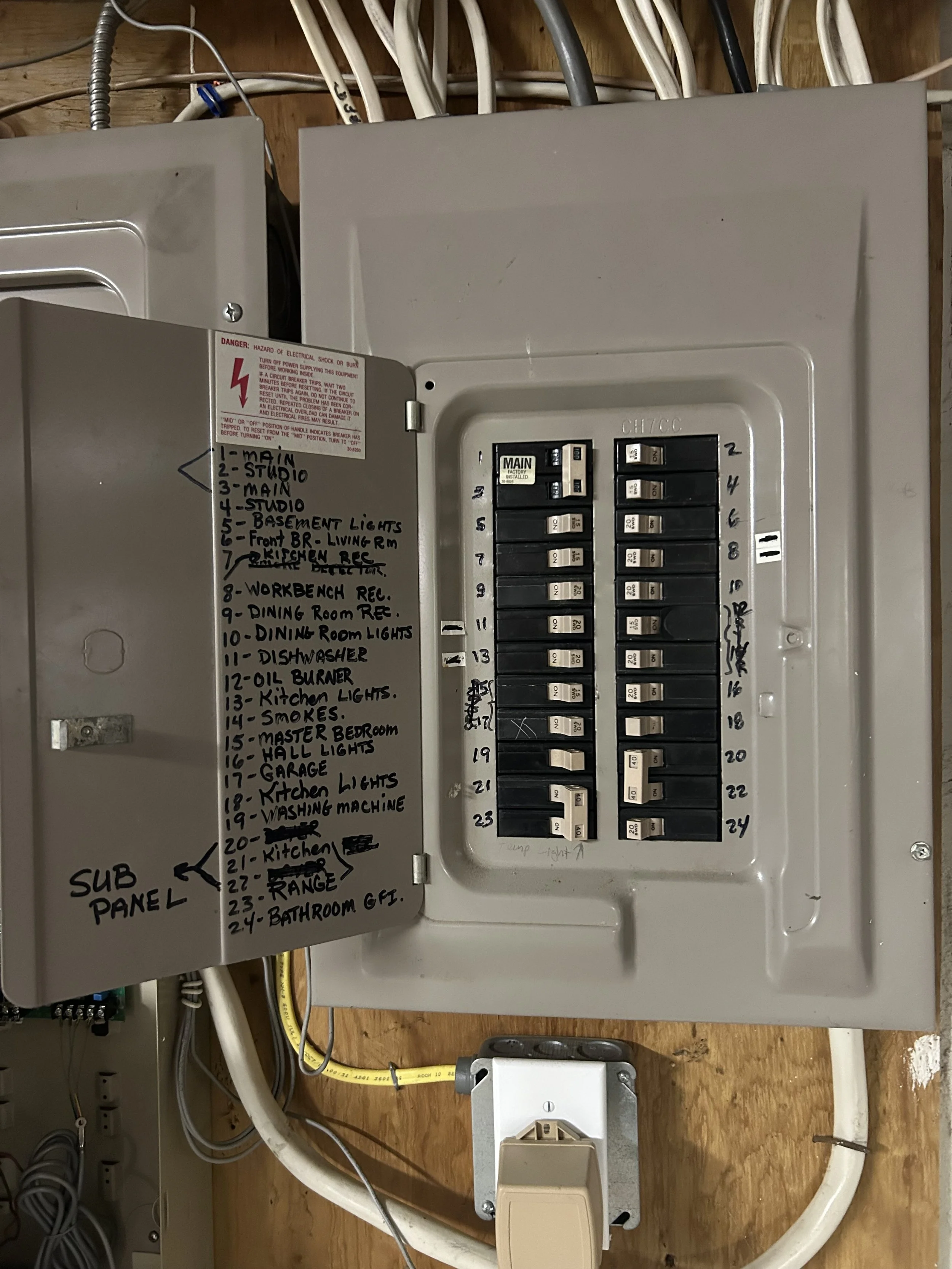
Power
SERVICE ENTRANCE
MAIN PANEL
DISTRIBUTION
SAFETY
Safety
SMOKE & CO DETECTORS
CO SOURCES
STAIRS & RAILINGS
EGRESS WINDOWS
1.5 Safety
When evaluating a property, safety is a fundamental priority centered on ensuring the home's vital systems truly protect the people living inside. This assessment focuses on identifying key risks, including:
Staircases and Handrails: Checking for loose, missing, or improperly sized rails to ensure a secure grip and prevent falls.
Smoke and CO Detectors: Verifying that units are modern, functional, and strategically placed for life-saving early warnings.
Egress Windows: Confirming that sleeping area windows are large enough and easy to operate for a quick emergency exit.
Identifying these concerns during the inspection process ensures you have a clear understanding of the home’s safety status before moving forward.